These factors add to the war in the Middle East, which is increasing bunker prices and impacting costs.
Restrictions on transit through the Panama Canal, growing port congestion in Asia and Europe, and new pressure on shipping costs are adding further stress to the container shipping sector. The industry is already facing the impact of continued attacks by Iran in the Persian Gulf and the ongoing US blockade of the Strait of Hormuz. This makes a possible reopening of this important shipping route increasingly unlikely, especially after the expiration of the Memorandum of Understanding between the two countries, according to the latest analysis by Freightos.
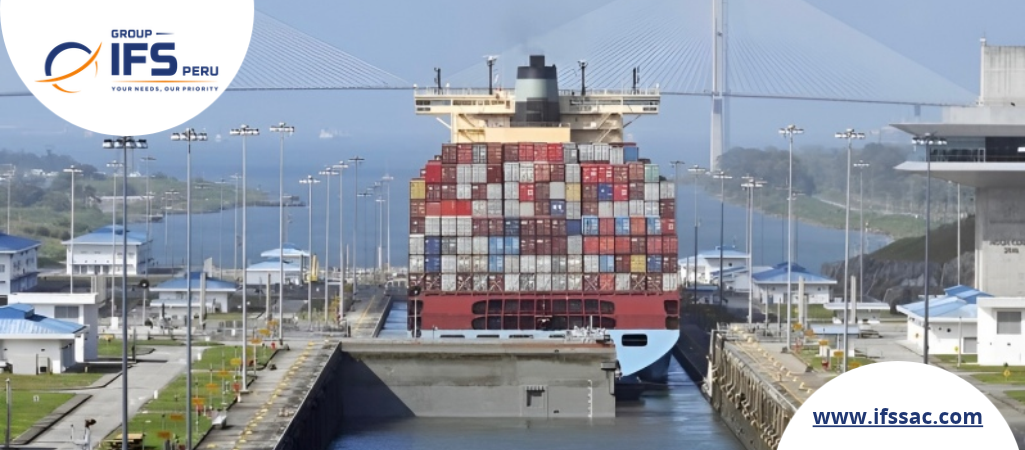
Panama Canal Adds Further Pressure
The Panama Canal is expecting restrictions due to the possibility of a severe drought linked to the El Niño weather phenomenon toward the end of this year and during 2027.
The Panama Canal Authority (ACP) has therefore reduced the number of daily transits by two and will also reduce the maximum draft for Neopanamax vessels from 14.6 meters at the end of August to 14.7 meters at the beginning of September. Some shipping lines have already announced surcharges of between US$200 and US$1,000/FEU starting in mid-September, which could impact Asia to US East Coast (USEC) cargo flows.
The most recent similar situation occurred in 2023, when restrictions caused by low water levels reduced the draft to 44 feet and daily transits to 22, compared with a normal capacity of around 36. Higher costs and longer waiting times led some shipping lines to change their services and avoid the canal.
Port Congestion
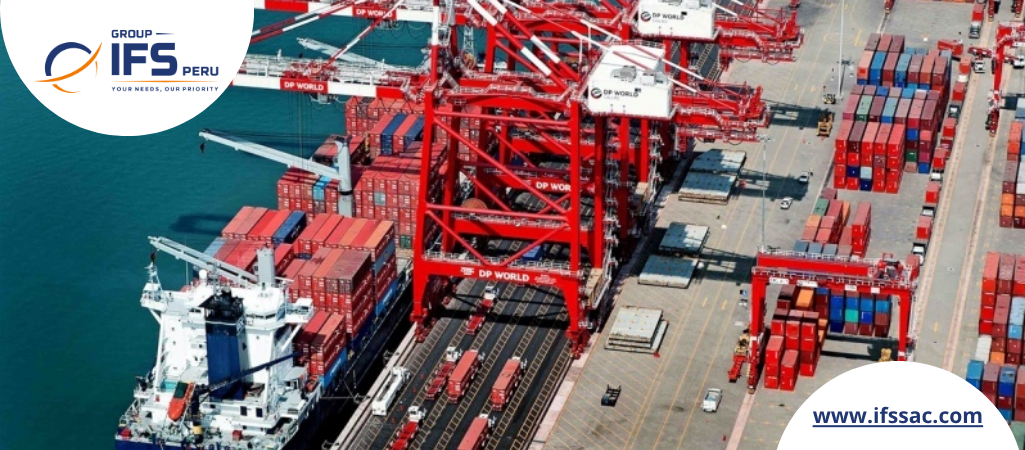
Port congestion continues to affect major ports in the Far East and, especially, Europe. Freightos points out that even before the recent storms affecting Chinese ports and periods of drought, higher cargo volumes were already causing longer than normal delays and putting pressure on port capacity. Maersk has also identified congestion as a new and important factor in the container shipping market.
Hormuz and the Return to the Red Sea
The agreement between the United States and Iran, signed 60 days ago with the aim of reopening the Strait of Hormuz and starting negotiations to end the war, expired this week. However, Iranian attacks continue and the US blockade remains in place. According to Freightos, “a reopening does not appear to be any closer than it was before the agreement”.
At the same time, Maersk, Hapag Lloyd, CMA CGM and Cosco continue to consider a possible return to the Red Sea route, despite the increased tensions and new attacks reported in the area.
Freightos suggests that changes in the container shipping market may be behind the shipping lines’ greater willingness to return to the route, even though security risks remain. Although insurance premiums for vessels passing through Bab el Mandeb, the main entry and exit point to the Red Sea, remain high, the increase in fuel costs caused by the closure of the Strait of Hormuz makes diversions around the Cape of Good Hope considerably more expensive than they were between late 2023 and the beginning of the war, according to the analysis.
Rates: Asia Europe Declines, Transpacific Strengthens
Lower cargo volumes have started to reduce spot rates on Asia Europe routes, showing an earlier than expected end to the peak season.
Specifically, rates from Asia to North Europe averaged around US$5,000/FEU last week, but dropped to approximately US$4,700/FEU this week. This represents a decrease of more than US$1,000/FEU and 20% from the July peak, although rates are still US$1,800/FEU, or 60%, above May levels.
On the Asia Mediterranean route, rates fell 4% last week and another US$900/FEU this week, reaching around US$5,000/FEU. This represents a total decrease of 30% from the July peak. Meanwhile, rates from Asia to the US West Coast (USWC) increased 9% last week to around US$7,400/FEU, while rates to the USEC increased 3%, reaching a new high of US$9,400/FEU.
These pressures could be further increased by higher fuel costs. Bunker prices have already increased 15% since the ceasefire collapsed, and some shipping lines are expected to increase emergency fuel surcharges by approximately US$90/FEU in mid-September.
Freightos therefore warns that while some shipping routes are beginning to show signs of demand returning to normal, geopolitical, operational and weather related factors continue to put pressure on international shipping costs and capacity.
Source: Mundo Maritimo