Supply chain resilience increasingly depends on anticipating potential bottlenecks
Recent disruptions along key global maritime trade routes have highlighted the need to rethink logistics planning. According to a report by McKinsey & Company, companies that depend on global supply chains need a much better understanding of their exposure to critical chokepoints, where any restriction can disrupt the flow of international trade.
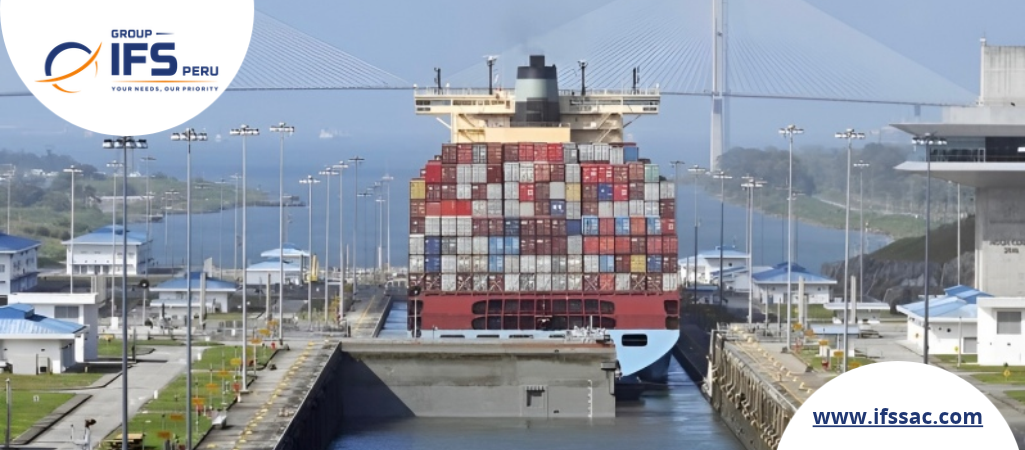
The report identifies several strategic chokepoints, including the Strait of Hormuz, the Panama Canal, the Suez Canal, and major ports, as well as logistics and trade networks that include ocean shipping services, marine insurance, merchant fleets, and other essential systems that support global cargo movements. According to McKinsey, these critical points “can quickly become sources of disruption”, making it essential for companies to understand their level of exposure and strengthen their ability to respond.
The recent disruption in the Strait of Hormuz is highlighted as the main example in the report. McKinsey explains that the impact of a logistics disruption is not the same for every company. It depends on each company’s level of exposure, supplier concentration, dependence on specific trade routes, and the speed at which alternative solutions can be implemented.
In this context, the report notes that “organizations that have built a diversified supplier base, maintain flexible logistics contracts that allow them to switch to alternative routes, or sell higher margin products are better positioned to adapt quickly and withstand sudden disruptions.”
The Impact Goes Beyond Transportation
The first effects of a disruption are usually seen in reduced transport capacity, higher marine insurance costs, and longer transit times. As the situation continues, companies may also face logistics surcharges, prioritization of certain customers or markets, and force majeure declarations that affect contractual commitments.
For logistics planners, the speed at which these effects develop is one of the biggest challenges. As McKinsey points out, “by the time the impact of a disruption appears as lower profit margins or reduced demand, the opportunity to respond may already be significantly reduced.”
Based on these experiences, the report concludes that logistics planning must rely on a much deeper understanding of supply chains. According to McKinsey, many companies still lack visibility beyond their first-tier suppliers, making it difficult to identify hidden dependencies related to suppliers, shipping routes, inventory levels, substitute products, or customer service commitments.
As a result, the report recommends that companies evaluate in advance how much of their exposure can be reduced through alternative shipping routes, different suppliers, or substitute materials. It also recommends distinguishing between vulnerabilities that represent operational challenges and those that create strategic risks.
The report also highlights the importance of preparing for disruptions of different durations. Some events may be resolved within a few weeks, while others may permanently reshape global shipping routes, trade flows, and supply chain structures. Understanding the difference between these scenarios is essential for choosing the right response and avoiding both underreaction and unnecessary long-term investments for temporary disruptions.
In this context, McKinsey concludes that logistics resilience is no longer based only on maintaining larger inventories. “Business leaders must move beyond general resilience strategies. They need to identify where their organizations depend on these critical chokepoints, measure the value at risk, determine whether that exposure can be redirected, replaced, or substituted, and decide in advance where alternative solutions should be developed before the next disruption occurs”.
Recommendations to Strengthen Logistics Planning
- Map the entire supply chain, including maritime and trade routes, inventory levels, and customer service commitments.
- Develop disruption scenarios that consider both direct and indirect impacts on operations.
- Prepare response plans with clearly defined responsibilities, activation criteria, and predefined actions.
- Implement continuous monitoring systems to identify changes at critical chokepoints as early as possible.
- Conduct regular simulations to update contingency plans and strengthen the organization’s ability to respond to future disruptions.
Source: Mundo Marítimo